
When a triggered email goes out within 60 seconds of signup, it typically sees 40% to 60% open rates, and later-stage conversion emails often benchmark at 3% to 8% click-through to purchase (Markana Media). That's why email drip campaign examples matter so much for professional services firms, where trust has to be earned before anyone books a call or signs a letter of engagement. A one-off welcome note is polite, but it rarely does the work of onboarding, educating, nurturing, and re-engaging on its own.
The firms that win with drip campaigns don't send more email just to stay visible. They build short, behavior-based sequences that map to a clear action, then move the reader toward one decision at a time, whether that's booking a consult, reviewing a compliance update, or replying with a simple question. The best sequences feel timely, useful, and specific to the client's world, not generic marketing automation.
Where this fits in a working newsletter programme: See the newsletter strategy playbook, the detail on newsletter cadence for accounting firms, or ask for newsletter service pricing.
1. Welcome Series for New Professional Services Clients
A welcome series does more than greet a new client or prospect. It sets expectations, reduces uncertainty, and shows that your firm has a clear process behind the service promise. For accounting, law, and advisory firms, that matters because the first few emails often shape whether the relationship feels organized and credible or vague and rushed. A practical approach is a 5-email sequence that starts immediately after the trigger, with the first message arriving within 2 hours of signup so the contact does not lose momentum.
A practical sequence for accounting, law, and advisory firms
Email 1 should confirm the signup, explain the next step, and reassure the reader that they are in the right place. Keep it direct. Give a reply-to address, name the person or team handling the request, and make the next action obvious.
Email 2 should introduce the newsletter or client update cadence and show the kind of guidance the reader can expect. For professional services firms, you set boundaries as well. If you send regulatory reminders, planning notes, or client education, say so plainly so the subscriber knows what belongs in the inbox.
Email 3 is a good place to show the format in a concrete way. A screenshot of the newsletter template or a sample section helps the reader understand what they will receive better than a broad promise ever will. Many effective onboarding sequences follow a similar logic, starting with an overview and then moving into best-practice education. If you want a practical framework for building that kind of sequence, this guide on how to start a professional services newsletter is a useful reference point.
For a firm onboarding a new tax client, the sequence might look like this:
- Email 1, “Welcome to [Firm Name]”. Confirm the relationship, outline the next step, and give a direct reply-to address.
- Email 2, “What you'll get each week”. Show the newsletter format and explain the kind of guidance you share.
- Email 3, “How we track updates”. Explain how your firm handles changes, deadlines, or follow-up questions.
- Email 4, “Meet your client team”. Introduce the people behind the service so the relationship feels personal, not transactional.
- Email 5, “What to do if you need help”. Make it easy to ask a question, book a call, or forward the message to a colleague.
Timing matters, but sequence logic matters more. A welcome series should answer the questions a new client is already asking, including what happens next, who to contact, and how your firm stays on top of the details that affect them. If the messages arrive too fast without a clear purpose, they feel automated. If they arrive too slowly, the new contact may go silent before trust has a chance to build.
1. Welcome Series for New Professional Services Clients
A welcome series does more than greet a new client. It lowers uncertainty, explains what happens next, and gives people a reason to trust your process before the first real question comes in. For professional services firms, that usually means a 5-email sequence sent right after the trigger, with the first message arriving within 2 hours of signup so the momentum stays intact.
A practical sequence for accounting, law, and advisory firms
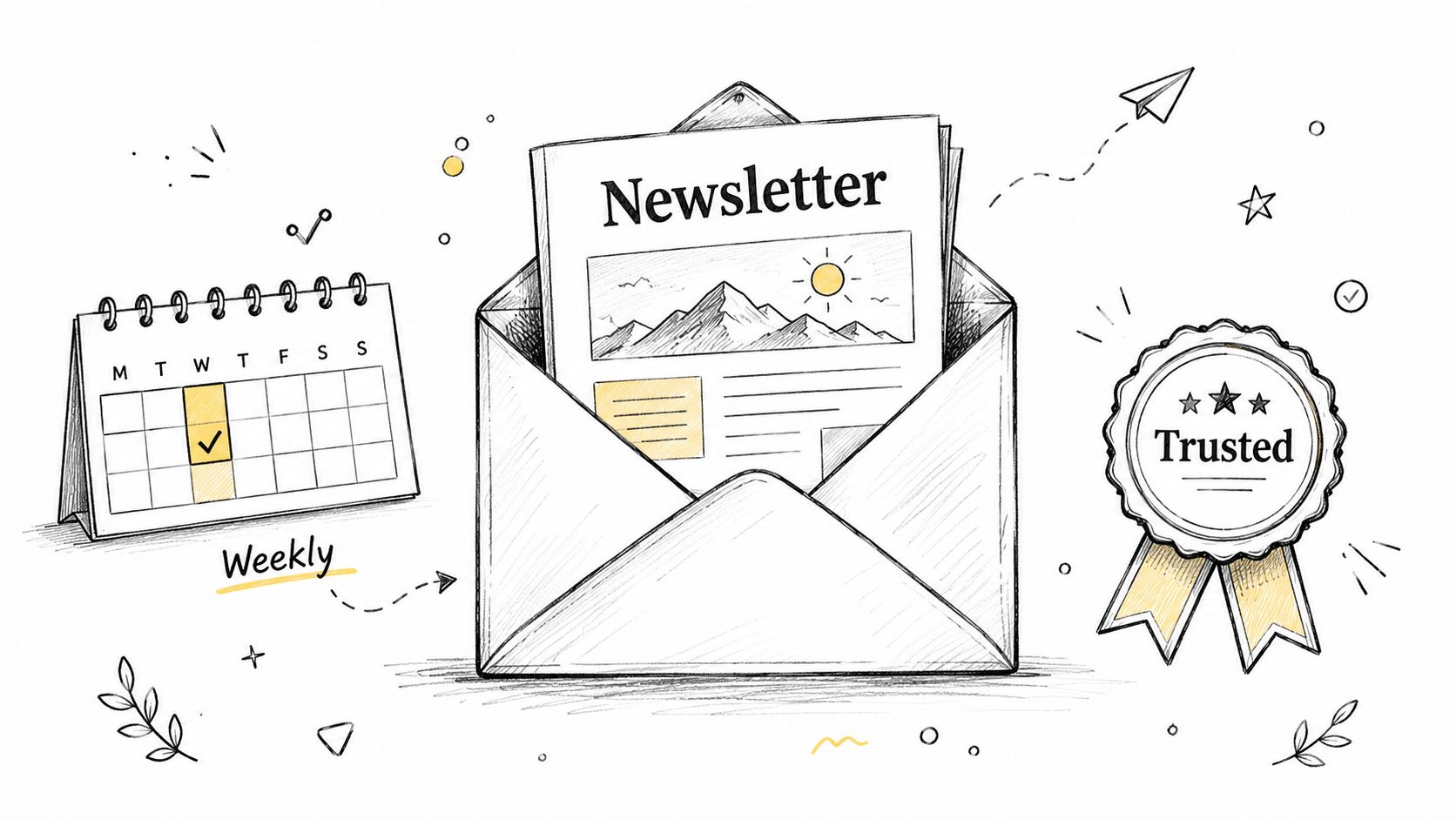
Email 1 should confirm the signup, explain the next step, and make the recipient feel they chose a firm that is organized and responsive. Email 2 can introduce your weekly newsletter cadence and show the kind of insights they will receive. Email 3 is the right place for a visual, such as a screenshot of the newsletter template, because a promise becomes easier to believe once the reader can see the format.
For a firm onboarding a new tax client, the sequence might look like this:
- Email 1, “Welcome to [Firm Name]”. Confirm the relationship, outline the next step, and give a direct reply-to address.
- Email 2, “What you'll get each week”. Show the newsletter format and explain the kind of guidance you share.
- Email 3, “How we track updates in your industry”. Connect the newsletter to the client's sector and expectations.
- Email 4, “What to send us next”. Ask for any missing details without overwhelming the reader.
- Email 5, “One quick question”. Request 1 to 2 sentences of feedback, not a long form or formal review.
The sequence should feel like a handoff, not a marketing blast. If a new client still has to guess what happens next, the emails are too vague. If the messages arrive too fast without a clear purpose, they feel automated. If they arrive too slowly, the client may go quiet before trust has time to build.
A useful way to plan it is to map each message to one job, confirmation, expectation-setting, content preview, information gathering, and light feedback. That keeps the series useful for the client and manageable for the firm.
HubSpot's onboarding sequence follows a similar logic, starting with a platform overview and then moving into best-practice education. The principle carries over well to professional services, because the structure matters more than the subject matter. People act when each email removes a little more friction. For firms building a newsletter-led relationship, how to start a professional services newsletter fits naturally.
3. Lead Nurture Sequence for Service Inquiry Prospects
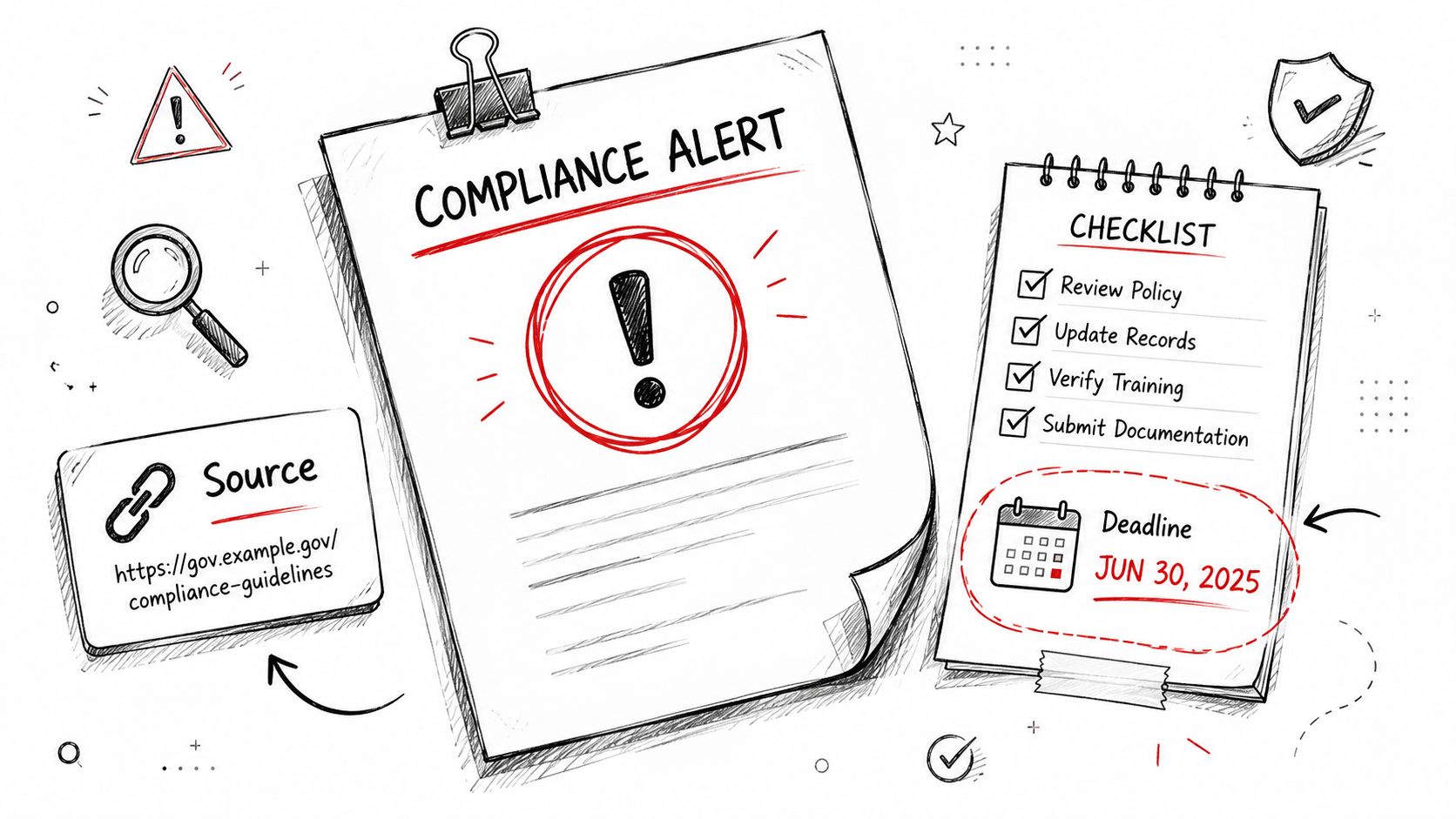
Inquiry leads need a different tone than clients. They have already shown interest, but they are still deciding whether your firm is the right fit, the right price, and the right level of hand-holding. A 6-email sequence gives enough room to educate without dragging the prospect through a long sales funnel.
What each message should do
Start with the reason they reached out. The first email should acknowledge the download or inquiry, restate the problem in the prospect's own terms, and show that you understand the pressure behind the request. Email 2 can explain your method in plain language. Email 3 should add proof through a case study, testimonial, or short video that lowers the perceived risk of hiring you. Email 4 can answer a common objection, such as turnaround time, fees, or implementation burden. Email 5 should reinforce why the service matters. Email 6 should give a clear next step.
A well-structured documentation workflow can be a useful reference point here, even though the audience is different. The lesson is practical. People respond when follow-up content matches the reason they engaged in the first place. If they downloaded a tax planning guide, do not send a broad corporate newsletter. Send the next most relevant piece of expertise.
A useful way to plan the sequence is to match each email to a single job, then keep the wording tight. Confirmation, explanation, proof, objection handling, and next step each deserve their own message. That structure works well for accounting firms that need to screen for fit, law firms that need to show competence without overselling, and finance practices that need to build confidence before a consultation.
The timing should feel deliberate. If the messages arrive too close together, the prospect feels pushed. If they stretch out too far, the lead cools off and the initial interest fades. For firms building a newsletter-led relationship, how to build a professional services newsletter strategy fits naturally into the same follow-up plan.
A brief sequence also keeps the sales handoff cleaner. One email can confirm receipt, one can explain how the firm works, and the rest can answer the questions that usually stall a first conversation. That gives the prospect enough information to act without forcing a hard sell.
3. Lead Nurture Sequence for Service Inquiry Prospects
Inquiry leads need a different tone than clients. They've already shown interest, but they're still deciding whether your firm is the right fit, the right price, and the right level of hand-holding. A 6-email sequence gives enough room to educate without dragging the prospect through a long sales funnel.
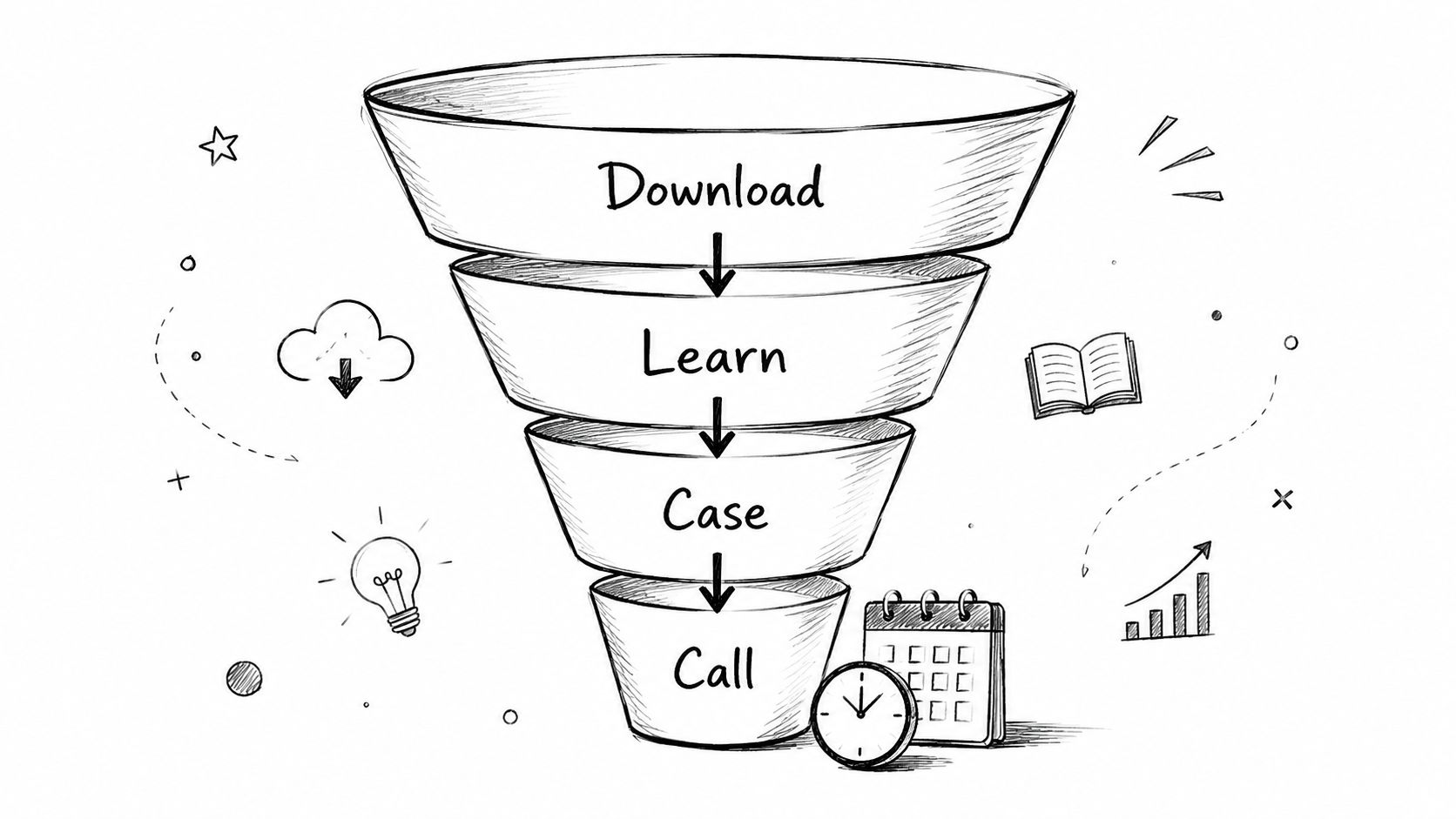
The sequence should move in a straight line. First, confirm the inquiry. Then explain how you work, show proof, handle the most common objection, reinforce the value of the service, and end with a clear next step. That order matters in accounting, law, and finance, where prospects usually want competence and clarity before they want a sales conversation.
The first email should acknowledge the download or inquiry and restate the problem in the prospect's own terms. Email 2 can explain your method, while email 3 should bring in a case study, testimonial, or short video that reduces perceived risk. Email 4 can answer a common objection, such as turnaround time, fees, or implementation burden. Email 5 should reinforce the value of the service, and email 6 should offer a clear next step.
A practical sequence often looks like this in the inbox:
- Email 1, “We got your request”. Confirm the inquiry and show you understood the issue.
- Email 2, “How we approach this”. Explain your process in plain language.
- Email 3, “What this looks like in practice”. Use a short case example or testimonial to reduce hesitation.
- Email 4, “A question we hear often”. Address the sticking point before it stalls the deal.
- Email 5, “What you get from working with us”. Restate the value in concrete terms.
- Email 6, “Your next step”. Make the consultation or follow-up request easy to act on.
A few practical moves make these sequences stronger:
- Segment by service line or industry so the second and third emails feel specific.
- Use dynamic subject lines with company size, sector, or content interest.
- Add a preference center so prospects can narrow topics instead of unsubscribing.
- Test the final CTA between a consult request and a pricing guide download.
- Schedule a 30-day re-engagement email if they go quiet after the final message.
The strongest nurture sequences don't sound pushy. They sound prepared. That matters in accounting, law, and finance, where prospects are usually looking for evidence of competence long before they're ready for a sales conversation.
For firms shaping the editorial side of this process, newsletter strategy is what turns a one-off inquiry into a continuing relationship. If the sequence teaches well, it earns the right to sell later.
4. Seasonal Campaign Series
Seasonal campaigns work because your audience is already thinking about the issue. Tax season, year-end planning, and open enrollment create natural decision windows, which makes a short email sequence more effective than a generic promotion. The key is to match timing with relevance, not to force urgency where it doesn't belong.
Build the sequence before the season starts
The strongest seasonal campaigns are drafted 6 to 8 weeks before the window opens, so the firm is not scrambling once work volume picks up. Tax firms can build around filing deadlines, accountants can use year-end review themes, financial advisors can frame tax-loss harvesting, and insurance brokers can align with benefits enrollment. The structure is usually 4 to 5 emails, with the first message setting the context and the later messages tightening the decision.
A practical sequence often follows this pattern:
- Email 1, “Why this season matters”. Give the reader a reason to plan now.
- Email 2, “Common mistakes we're seeing”. Make the risk visible without sounding alarmist.
- Email 3, “What a good plan includes”. Explain your process or service package.
- Email 4, “Deadline reminder”. Reinforce the cutoff and the consequence of waiting.
- Email 5, “Last call for support”. Keep it direct and respectful.
Urgency badges, countdown timers, and hard cutoff dates can help, but only if the firm can honor them. Nothing hurts trust faster than extending a deadline after saying it was fixed. If you cannot handle the intake volume, the campaign should be smaller, not more aggressive.
A seasonal campaign should sound like a useful reminder from a capable advisor, not a sales push dressed up as a deadline email.
Capacity is the other trade-off. If the campaign works, inbound requests can spike quickly. Firms need a plan for triage, scheduling, and follow-up before the first email leaves the queue. A strong seasonal sequence makes revenue more predictable, but only when operations are ready to absorb the response.
6. Re-engagement and Win-Back Campaign for Inactive Subscribers
Inactive subscribers are usually under-engaged, not completely lost. A 3 to 4 email sequence gives you one last chance to reset the relationship before you prune the list or move the contact into a lower-frequency path. That keeps the list healthier and improves the quality of future sends.
Re-engagement works best when it respects the reader
Define inactivity before you send anything. Many firms use a threshold like 90+ days with no opens or 6+ months with no clicks, then segment by signup source so the message feels relevant. Someone who joined through a webinar may need a different re-entry path than someone who subscribed after downloading a tax guide.
The first email should be short and direct. Say you have not seen engagement recently, remind them what they signed up for, and give them an easy choice. The second can offer a preference center so they can adjust topics or frequency. The third should provide a useful piece of value, like a timely update or a practical resource, and the final email should be a respectful exit ramp.
Subject lines can be more human here, but they still need discipline. “Still want these updates?” works because it is direct and low-pressure. “Would you like fewer emails from us?” gives the reader a clean way to stay on the list without pretending they need to read everything. Many platforms use re-engagement messaging to prompt a simple return or preference update, and that is the right level of ambition for this sequence.
The trade-off is clear. Push too hard, and inactive subscribers will ignore you or mark the message as noise. Stay too vague, and the sequence will not produce a decision. Professional services firms usually get better results when they treat win-back as a list hygiene process, not a last-ditch sales pitch.
If the contact does not respond, remove them from the primary list or shift them into a lower-frequency segment. That protects deliverability and gives future campaigns a better chance of reaching people who want to hear from you.
6. Re-engagement and Win-Back Campaign for Inactive Subscribers
Inactive subscribers aren't always lost, but they are usually under-engaged. A 3 to 4 email sequence gives you one last chance to reset the relationship before you prune the list or move the contact into a lower-frequency path. That keeps your list healthier and protects the quality of your future sends.
Re-engagement works best when it respects the reader
Define inactivity clearly before you launch anything. Many firms use a threshold like 90+ days with no opens or 6+ months with no clicks, then segment by signup source so the message feels relevant. Someone who joined through a webinar may need a different re-entry path than someone who subscribed after downloading a tax guide.
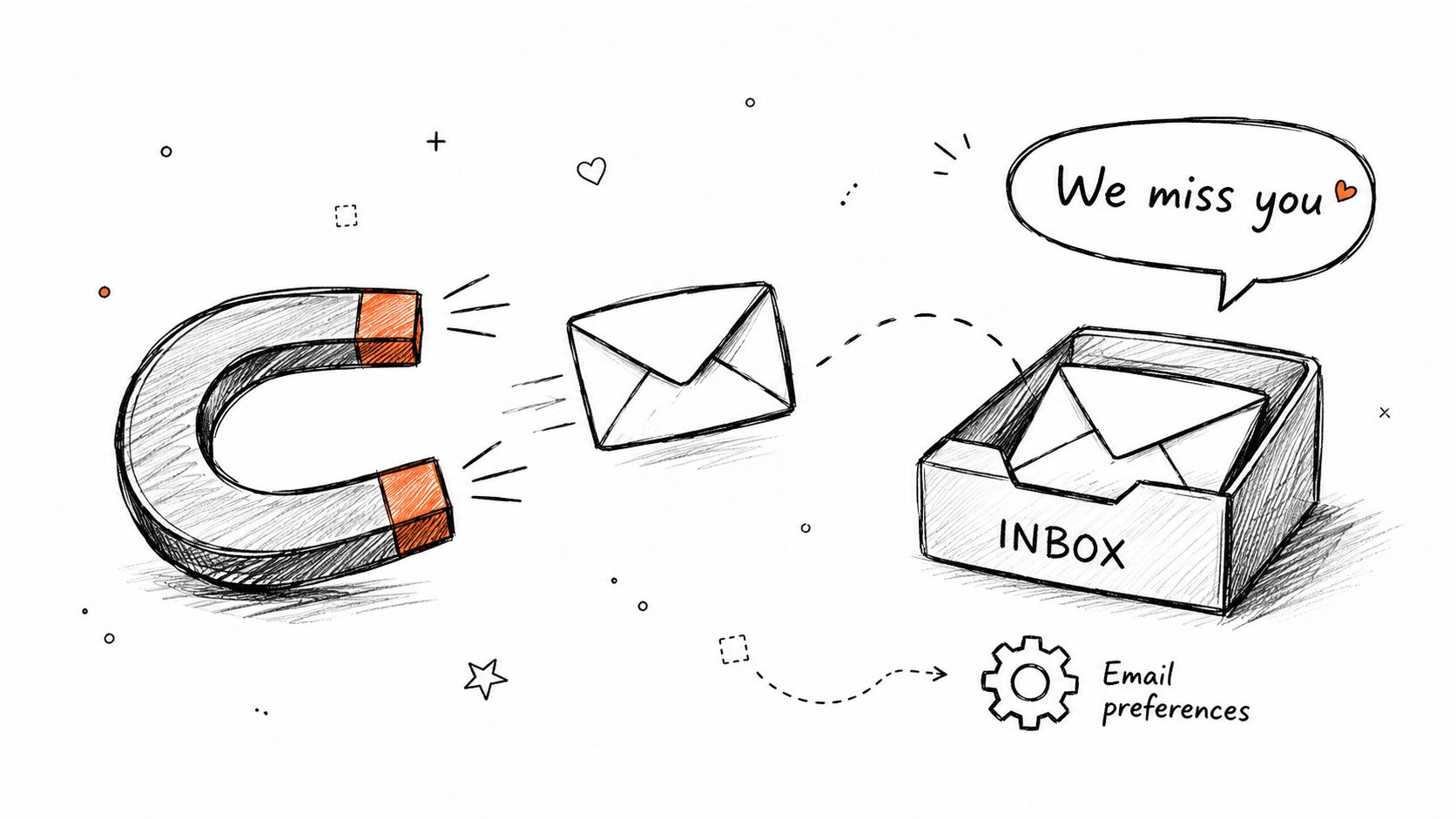
The first email should be short and direct. Say you haven't seen engagement recently, remind them what they signed up for, and give them an easy choice. The second can offer a preference center so they can adjust topics or frequency. The third should provide a compelling piece of value, like a useful update or resource, and the final email should be the respectful exit ramp.
Subject lines can be more human here, but they still need discipline. “Still want these updates?” often works better than cleverness that hides the point. Spotify and LinkedIn use re-engagement messaging to prompt a simple return or preference update, and that same principle works for professional services lists too.
The hard part is knowing when to stop. If a segment doesn't respond, remove it. Keeping dead weight on the list drags down deliverability and makes future analytics less useful. A smaller, more engaged list is almost always better than a larger one filled with silent addresses.
Respectful win-back campaigns do two jobs at once, they recover a few relationships and improve the quality of everything that follows.
6-Point Email Drip Campaign Comparison
| Campaign | Implementation Complexity | Resource Requirements | Expected Outcomes | Ideal Use Cases | Key Advantages |
|---|---|---|---|---|---|
| Welcome Series for New Professional Services Clients | Moderate, templated 5-email flow; ESP setup and timing coordination | Low–Medium, templates, minor customization, tracking metrics | Higher early engagement; reduced churn; clearer expectations | Onboarding new subscribers or newly acquired clients to a weekly newsletter | Establishes cadence and credibility early; captures early feedback |
| Regulatory Update Alert Sequence (Compliance-Focused) | High, triggered, rapid drafting, accuracy/legal review required | Medium–High, regulatory monitoring, legal review, fast content ops | Very high engagement; inbound inquiries; time-sensitive conversions | When regulatory changes or compliance deadlines occur | Timely relevance and urgency; positions firm as proactive advisor |
| Lead Nurture Sequence for Service Inquiry Prospects | Moderate, 6-email arc with segmentation and dynamic content | Medium, content (case studies, pricing), segmentation, CTAs | Improved lead-to-consultation conversion; nurtures non-sales-ready leads | Resource downloaders and prospects who inquired but didn't convert | Educates, addresses objections, and provides multiple touchpoints |
| Seasonal Campaign Series (Tax Season, Year‑End Planning, etc.) | Moderate, 4–5 timed emails; requires advance planning | Medium, creative, offers, capacity planning, segmentation | High engagement and predictable revenue spikes during season | Predictable seasonal windows (tax season, enrollment, year-end) | Repeatable annual playbook; leverages external urgency for conversions |
| Customer Feedback and Testimonial Request Sequence | Low–Moderate, 4-email sequence with survey and follow-ups | Low–Medium, survey tool, incentives, legal/IP review for quotes | Collection of testimonials and case-study material; stronger social proof | After project completion or service anniversaries to capture promoters | Generates authentic proof points and strengthens client relationships |
| Re-engagement and Win‑Back Campaign for Inactive Subscribers | Low, 3–4 emails with segmentation and preference center links | Low, list segmentation, targeted content, simple offers | Partial re-engagement; list hygiene; improved deliverability metrics | Subscribers inactive 90+ days or not engaged for 6+ months | Prevents list decay; offers preference options; identifies uninterested contacts |
Putting Your Drip Campaigns Into Action
These email drip campaign examples work because they solve distinct business problems, not because they're clever. A welcome series builds trust at the start, a regulatory alert proves expertise under pressure, a nurture sequence moves prospects toward a consult, a seasonal campaign captures demand when it's already there, a testimonial request turns happy clients into proof, and a win-back flow clears out the dead weight while giving quieter subscribers one more chance to re-engage.
For professional services firms, the biggest mistake is trying to make one sequence do everything. A welcome email should not behave like a sales pitch, and a compliance update should not read like a brand campaign. The strongest results come from matching the trigger, the content, and the CTA to the moment the recipient is in right now.
Start with the two sequences that create the most immediate lift for most firms, the Welcome Series and the Lead Nurture Sequence. Those give you a dependable first impression and a steady path from interest to conversation. After that, layer in the compliance, seasonal, testimonial, and re-engagement campaigns as your calendar and client base demand.
Execution matters as much as the idea. Each sequence needs clean timing, a clear offer, and a voice that sounds like your firm. If your team doesn't have time to maintain that cadence every week, it's better to hand the work to a specialist than to let the sequence go stale.
NewsletterAsAService plans, writes, designs, and sends weekly B2B newsletters for professional services firms in your firm's voice, using primary sources and a fixed cadence. If you want these drip ideas turned into a reliable editorial system, visit NewsletterAsAService and see how a managed newsletter program can keep your clients informed without adding work to your team.
Done-For-You
We write the newsletter. You stay in front of your clients.
One flat rate at $399/mo. Research, writing, and formatting handled for you, in your voice. First edition free.
Get a Free SampleRelated